.svg)

Voles vs Moles in the Fall: What’s Happening Under Your Yard?

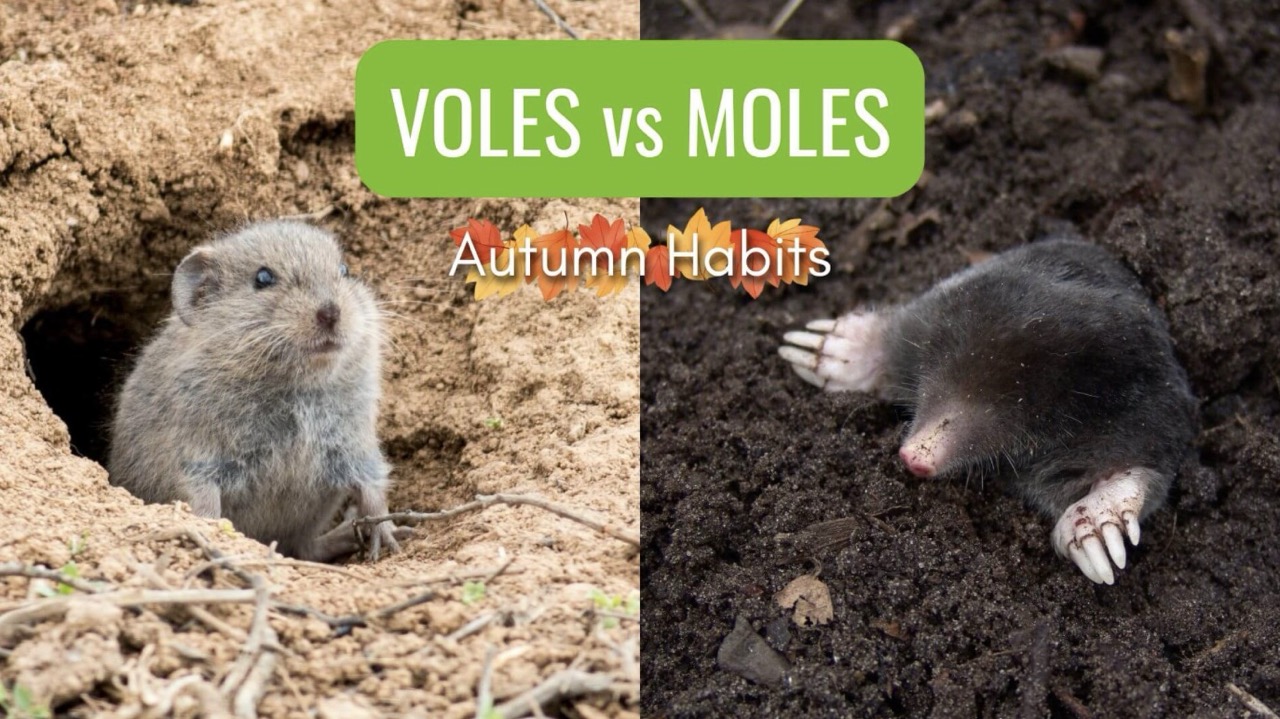
When the leaves fall and temperatures drop, your yard may look quiet… but there can still be plenty of activity happening underground.
Voles and moles are two of the most commonly confused yard pests, and fall is an important time to understand the difference.
Neither one hibernates. Both remain active through the winter, and both can continue causing damage while the ground is covered in snow.
But voles and moles are very different animals with very different habits.
Knowing which one you’re dealing with can help you spot the warning signs early and take steps to protect your lawn, trees, and landscaping before winter arrives.
Voles vs. Moles: What’s the Difference?
Despite their similar names, voles and moles aren't closely related.
Moles are underground insect hunters. They spend most of their lives beneath the soil and feed primarily on earthworms, grubs, and other soil-dwelling insects. The damage they cause is usually the result of digging, not eating your plants.
Voles are small rodents that eat plants. They feed on grasses, roots, bulbs, seeds, tubers, and bark. Voles can damage lawns and landscaping, and they can be particularly destructive to young trees and shrubs during the fall and winter.
The easiest way to remember the difference:
Moles dig. Voles chew.
How to Spot a Mole
Look for:
- Raised ridges or tunnels running through your lawn
- Volcano-shaped piles of soil
- Freshly disturbed soil
- Tunnels just below the surface
Moles use their large front feet and claws to dig through the soil in search of food. Their tunnels can disrupt grass roots and leave your lawn looking uneven.
And contrary to a common misconception, moles generally aren't eating your plants or grass. They're after the insects and other invertebrates living in the soil.
How to Spot a Vole
Voles can be harder to notice because they're small and spend much of their time hiding in vegetation, mulch, and tunnels.
Look for:
- Narrow runways through grass
- Small holes or burrow entrances
- Grass clipped close to the ground
- Chewed bark around the base of trees and shrubs
- Small tunnels beneath dense vegetation
- Criss-crossing trails that become especially obvious after snow melts
Vole runways are typically around 1–2 inches wide. During winter, voles can travel underneath snow, protected from predators and the elements.
Why Fall Is an Important Time for Voles
Fall can be a particularly important season for vole prevention.
As temperatures cool, vegetation becomes an increasingly important source of food and shelter. Voles may also store seeds, tubers, bulbs, and other food underground or nearby. They remain active throughout the winter rather than hibernating.
Then comes the snow.
A layer of snow can actually make your yard a safer place for voles. They can travel underneath the snow while staying hidden from many predators.
This creates what can almost feel like a second world underneath your winter landscape.
While you're looking at a peaceful blanket of snow, voles may be creating runways through your lawn and feeding on plants, roots, and tree bark underneath it.
That's why vole damage is often discovered in early spring rather than when it actually happened.
Utah State University notes that vole damage to lawns and ornamental plants can occur during winter beneath snow cover, with the evidence becoming visible as the snow melts.
What About Moles in the Fall?
Moles don't hibernate either.
Their activity can change as temperatures and soil conditions change, but they continue living and feeding underground throughout the colder months.
As the soil becomes colder or drier, moles can spend more time in deeper, more permanent tunnels. These tunnels allow them to continue searching for food while staying protected from harsh conditions.
Fall can also be a noticeable season for mole activity. Moles tend to be more active near the surface during spring and fall, particularly when soil conditions are favorable.
So if you start noticing new raised tunnels or piles of soil in your lawn in the fall, don't assume the problem will simply disappear when winter arrives.
The mole may simply be moving deeper underground.
Why You May Not Notice Winter Pest Damage
One of the frustrating things about moles and voles is that much of their activity happens where you can't see it.
Voles can move underneath snow and feed on grass, roots, and bark.
Moles can continue moving through underground tunnels in search of food.
By the time spring arrives, the snow melts and the evidence finally becomes visible.
For voles, this can mean discovering:
- Brown or dead patches in your lawn
- Criss-crossing runways through grass
- Chewed bark around trees and shrubs
- Damage to roots or ornamental plants
Vole damage to trees and shrubs can be particularly serious because feeding around the trunk can remove enough bark to interfere with the plant's ability to transport water and nutrients.
How to Help Prevent Fall and Winter Vole Problems
The best time to make your yard less attractive to voles is before the snow arrives.
1. Keep Grass and Ground Cover Trimmed
Dense vegetation provides both food and shelter.
Regularly mowing your lawn and reducing excessive ground cover can make your property less attractive to voles and expose them to predators.
Pay particular attention to areas around trees, shrubs, gardens, and other landscaping.
2. Clean Up Yard Debris
Wood piles, fallen vegetation, dense weeds, and other clutter can create places for voles to hide.
Cleaning up these areas in the fall can reduce the amount of shelter available to them.
3. Protect Young Trees and Shrubs
Young trees are especially vulnerable to vole damage.
Hardware-cloth guards around the base of susceptible trees can help prevent voles from reaching the bark. Extension recommendations generally call for small mesh openings and a guard that extends above the expected snow line, with part of the guard buried to prevent burrowing underneath.
4. Don't Let Mulch or Vegetation Build Up Against Tree Trunks
Dense vegetation and mulch can provide a convenient hiding place right next to the food source.
Keeping the area around tree trunks relatively clear can make it more difficult for voles to establish themselves there.
5. Keep an Eye Out for Early Signs
Don't wait until spring to investigate.
If you notice new runways, burrow entrances, damaged bark, or other signs of vole activity in the fall, that's your opportunity to address the problem before winter conditions make the activity much harder to see.
Can You Prevent Moles by Getting Rid of Grubs?
This is one of the most common pieces of advice you'll hear about mole problems, but it's not quite that simple.
Moles do eat grubs, but earthworms are also a major part of their diet, along with other soil-dwelling insects and invertebrates. Simply treating a lawn for grubs isn't guaranteed to solve a mole problem.
If you're seeing mole activity, the better first step is to identify the signs correctly and determine whether you actually have moles, voles, or another type of yard pest.
Moles or Voles? Here's the Quick Cheat Sheet
The signs aren't always perfect, and other animals can create similar damage. That's why proper identification matters before choosing a treatment.
Don't Wait for Spring to Find Out
Fall is the perfect time to take a closer look at what's happening around your property.
Moles are preparing for colder conditions by continuing their underground search for food. Voles are taking advantage of vegetation and ground cover, and may soon have a layer of snow providing them with protection.
The important thing to remember is that winter doesn't necessarily mean pest activity stops.
In fact, some of the damage you discover next spring may have been happening quietly underneath the snow for months.
If you're seeing tunnels, runways, unusual soil mounds, or damage around your trees and landscaping, Spidexx can help you identify what's causing the problem and determine the best way to protect your property.
Don't wait until the snow melts to discover what's been happening underneath it.
Get ahead of fall pest activity now.




%20(13).avif)
.avif)
%20(3).avif)