.svg)

How Small of a Hole Can a Mouse Fit Through? What Homeowners Need to Know

How Small of a Hole Can a Mouse Fit Through? What Homeowners Need to Know
If you've ever wondered how a mouse got into your home, you're not alone. One of the most surprising facts about mice is just how little space they need to squeeze inside.
Many homeowners assume a hole has to be large before it becomes a concern. In reality, a mouse can fit through an opening roughly the size of a dime—about ¼ inch wide.
Understanding how mice enter homes can help you identify vulnerable areas around your property before a small problem becomes a larger one.
How Small of an Opening Can a Mouse Fit Through?
House mice have flexible bodies and can compress themselves to fit through extremely small gaps.
As a general rule:
- Mice can fit through openings as small as ¼ inch.
- Young mice may fit through even smaller spaces.
- If a mouse can get its head through an opening, the rest of its body can usually follow.
Because of this, tiny cracks and gaps that seem insignificant to homeowners may be large enough for rodent activity.
Where Do Mice Commonly Enter a Home?
When performing rodent inspections, some of the most common entry points include:
Gaps Around Utility Lines
Pipes, cable lines, and electrical conduits often create openings where mice can enter.
Garage Doors
Even a small gap beneath a garage door can provide access to a warm, protected environment.
Foundation Cracks
Over time, settling can create openings that rodents may use to gain access.
Roof and Attic Openings
Mice are excellent climbers and can access homes through rooflines, vents, and attic openings.
Exterior Doors
Damaged weather stripping or poor door seals can create easy entry points.
How Do Mice Find These Openings?
Mice spend much of their time searching for food, water, and shelter. As they travel around a structure, they naturally investigate gaps, cracks, and protected spaces.
Once they discover an entry point, they often continue using the same route repeatedly.
Signs Mice May Already Be Inside
If mice have found a way indoors, you may notice:
- Small rodent droppings
- Scratching sounds in walls or ceilings
- Chewed food packaging
- Gnaw marks on wood or plastic
- Nesting materials such as shredded paper or insulation
Because mice are most active at night, homeowners often hear them before they actually see them.
Why Small Entry Points Matter
A common misconception is that only large holes need attention. In reality, rodents frequently enter through openings that homeowners overlook.
One unsealed gap can provide access to:
- Attics
- Crawlspaces
- Wall voids
- Garages
- Storage areas
Once inside, mice can reproduce quickly and establish nesting sites throughout the home.
How to Help Keep Mice Out
Homeowners can reduce the likelihood of rodent activity by:
- Inspecting the exterior of the home regularly
- Sealing gaps around utility penetrations
- Replacing damaged weather stripping
- Repairing foundation cracks
- Storing food in sealed containers
- Reducing clutter near the home's exterior
Regular inspections can help identify potential problem areas before rodents gain access.
Concerned About Mice?
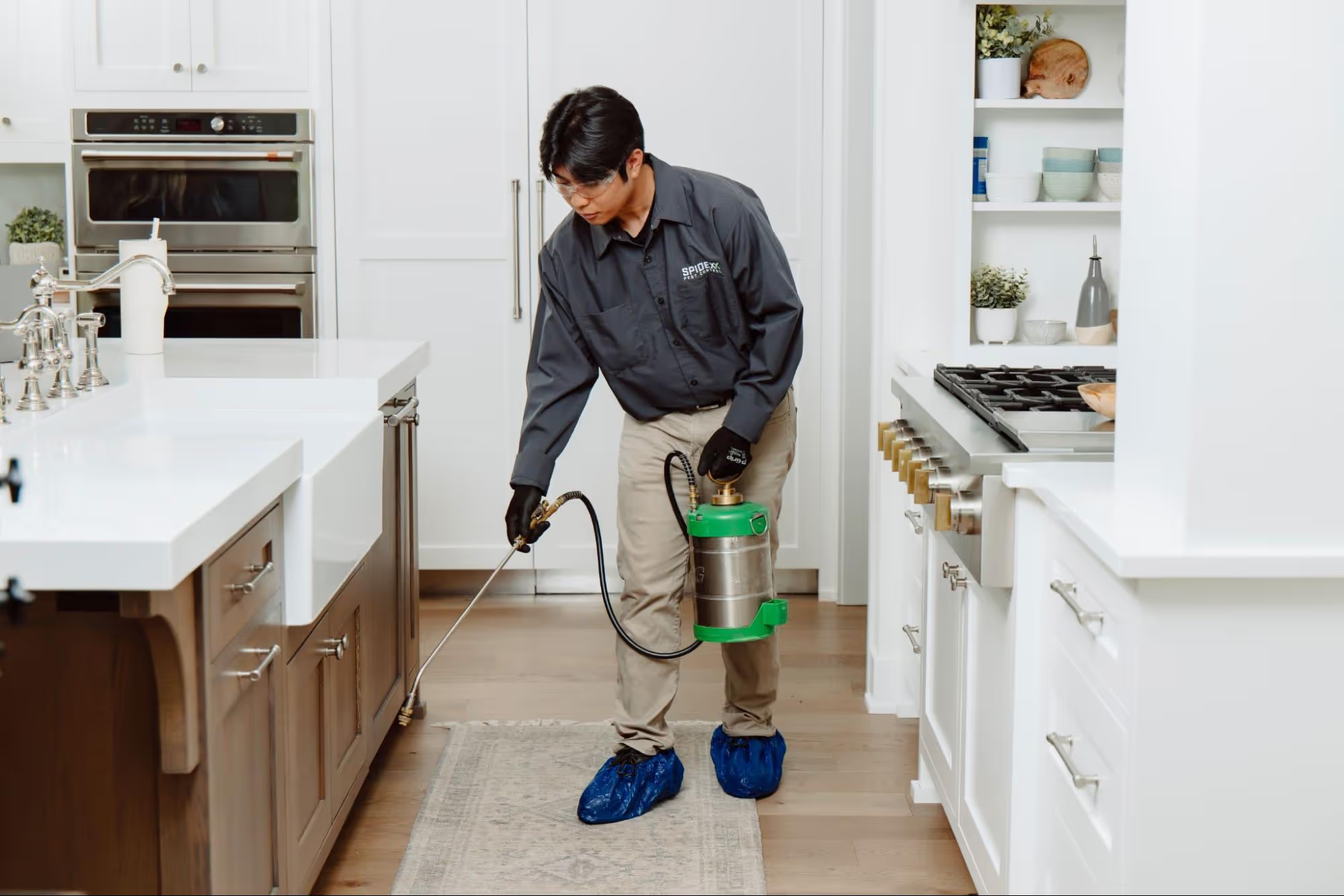
If you've noticed droppings, scratching sounds, or signs of rodent activity, a professional inspection can help identify potential entry points and determine whether mice are active around your property.
At Spidexx, our team helps homeowners locate vulnerable areas, identify signs of rodent activity, and develop customized solutions designed for their specific situation.
Even a hole the size of a dime may be all a mouse needs to turn your home into theirs.





%20(13).avif)
.avif)
%20(3).avif)