Think Cold Weather Gets Rid of Ants? Think Again.

When temperatures drop, you might assume your ant problems will disappear along with the summer heat. After all, if ants are less active in winter, why worry about them now?
But cold weather doesn’t necessarily mean your ants are gone.
As fall settles in, ants are preparing for changing conditions, and some may already be looking for food, water, and shelter inside your home.
If you’ve noticed ants around your kitchen, along your foundation, or near your windows, now is a good time to take action before the next wave of spring activity arrives.
What Are Ants Doing in the Fall?
As autumn progresses, ants respond to changing temperatures and food availability. Depending on the species and local weather, their activity may slow down, but their colonies don’t simply disappear.
Here’s what may be happening with the ants around your home right now.
1. They’re Preparing for Colder Weather
Many ants become less active as temperatures fall. Some remain sheltered in their nests, while others seek protected places where conditions are more favorable.
That can mean nesting beneath rocks, in soil near your foundation, under landscaping materials, or in other sheltered areas. Some species can also establish colonies inside buildings.
Your home offers something ants need: a place where they may find more stable temperatures, moisture, and access to food.
2. They May Be Looking for a Way Inside
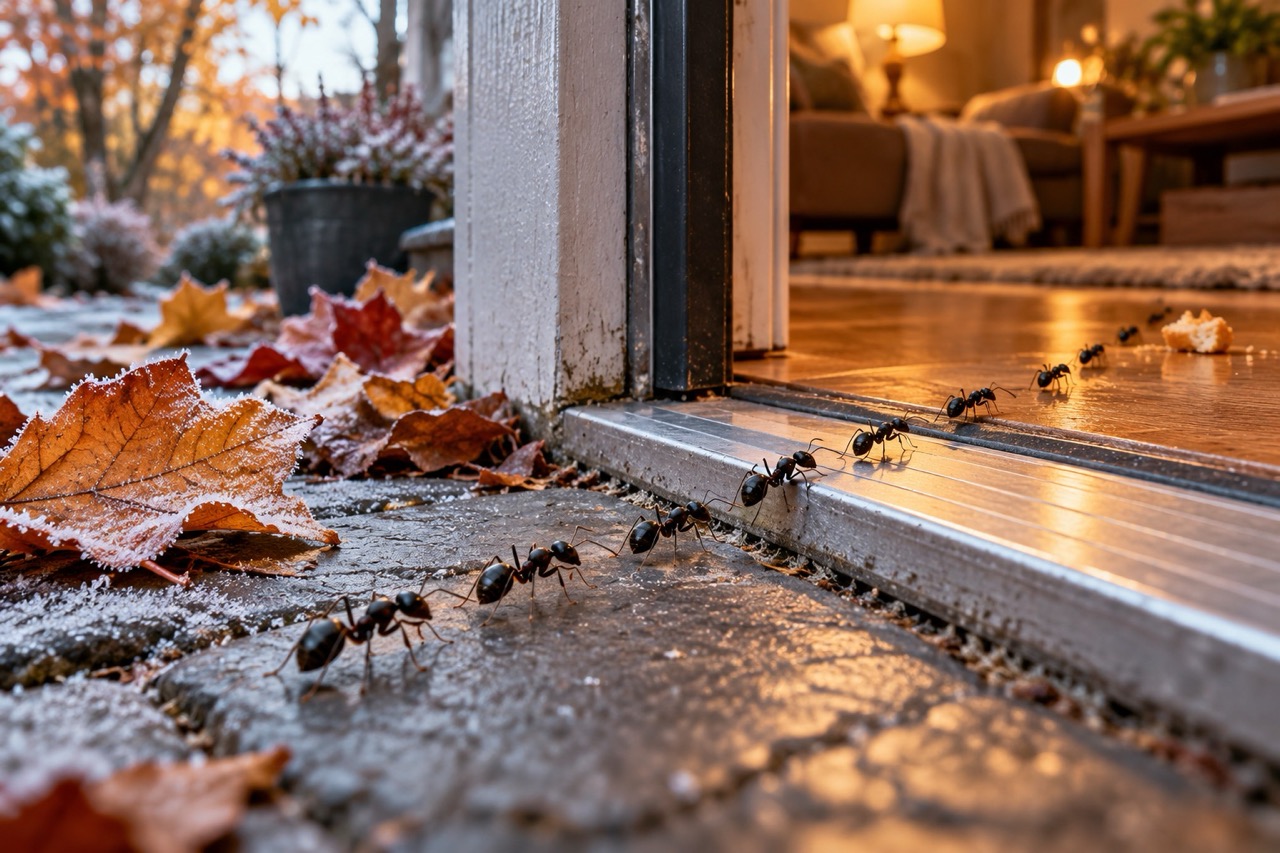
Ants don’t need an open door to get indoors. Small gaps around windows, doors, foundations, pipes, and utility lines can provide access.
(Spidexx techs look for pest entry points. Read more about that here.)
As outdoor conditions change, ants may continue foraging for food and water around your home. If they find a reliable source inside, they may keep returning.
Even a few ants on your countertop could be a sign that worker ants have found a route to something worth investigating.
3. Their Colonies Are Still Out There
An ant colony is more than the handful of workers you might see marching across your kitchen floor.
It can contain a queen, developing young, and many workers. While some ants become less active during cold weather, colonies can survive in protected locations and resume greater activity when conditions improve.
In other words, fewer ants in sight doesn’t necessarily mean the colony has disappeared.
What Happens to Ants During the Winter?
When winter arrives, many outdoor ant species slow down significantly. Some enter a dormant-like state called diapause, while others remain active whenever temperatures allow.
But winter affects ants differently depending on the species, climate, and location.
Some ants can still be a problem indoors during winter. Heated buildings offer conditions that may allow certain colonies to remain active, even when it’s too cold for much activity outside.
That means you could encounter ants in your home in the middle of winter, particularly if they’re nesting in a wall void, beneath a floor, or near another warm, protected area.
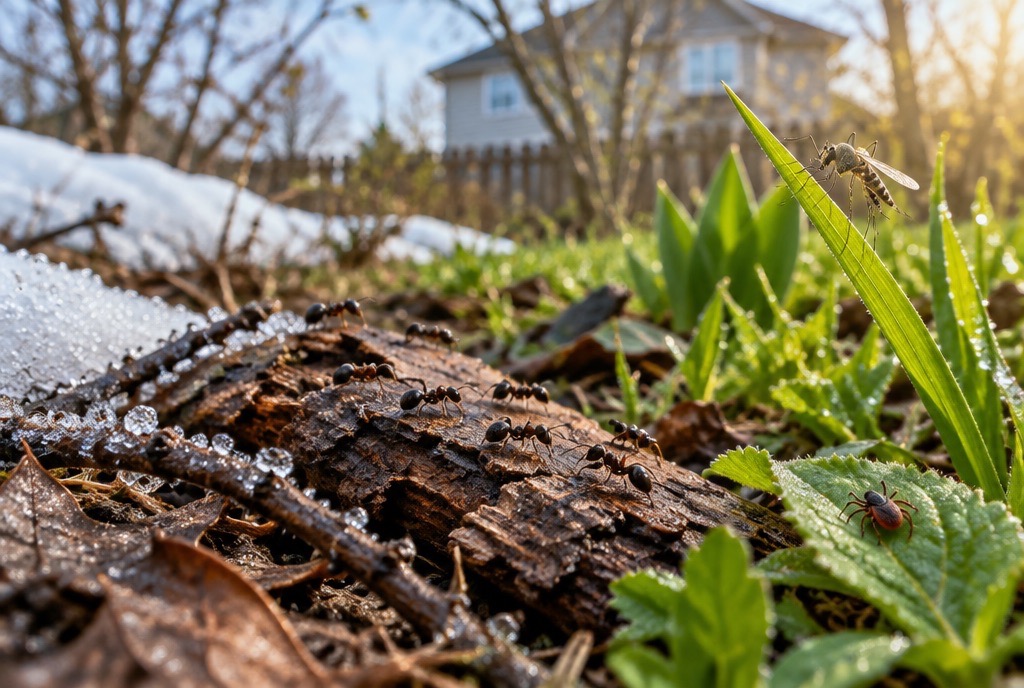
And if you don’t see any ants until spring? The colony may simply become more noticeable again as temperatures rise and outdoor activity increases.
Will the Ants Just Go Away on Their Own?
Sometimes, cold weather reduces the number of ants you see. But that isn’t the same as eliminating the colony or preventing ants from returning.
If ants have established a nest inside your home, a seasonal drop in activity won’t necessarily solve the problem. If they’re nesting outdoors, they may continue to find opportunities to enter your home when conditions are right.
Waiting for warmer weather can leave you dealing with the same issue again when spring arrives.
Why Fall Is a Smart Time to Treat Ants
Fall offers an opportunity to address ant activity before it becomes a more noticeable nuisance next spring.
Rather than waiting until ants are once again crossing your counters or appearing around your windows, you can take steps now to help reduce the chances of recurring problems.
Here’s where to start:
- Seal potential entry points. Check for gaps around doors, windows, pipes, and your home's foundation.
- Remove food sources. Clean up crumbs and spills, keep food in sealed containers, and empty trash regularly.
- Address excess moisture. Fix leaking faucets and pipes, and investigate damp areas that could attract ants.
- Pay attention to recurring activity. If you repeatedly see ants in the same area, there may be an entry route or nearby nest worth investigating.
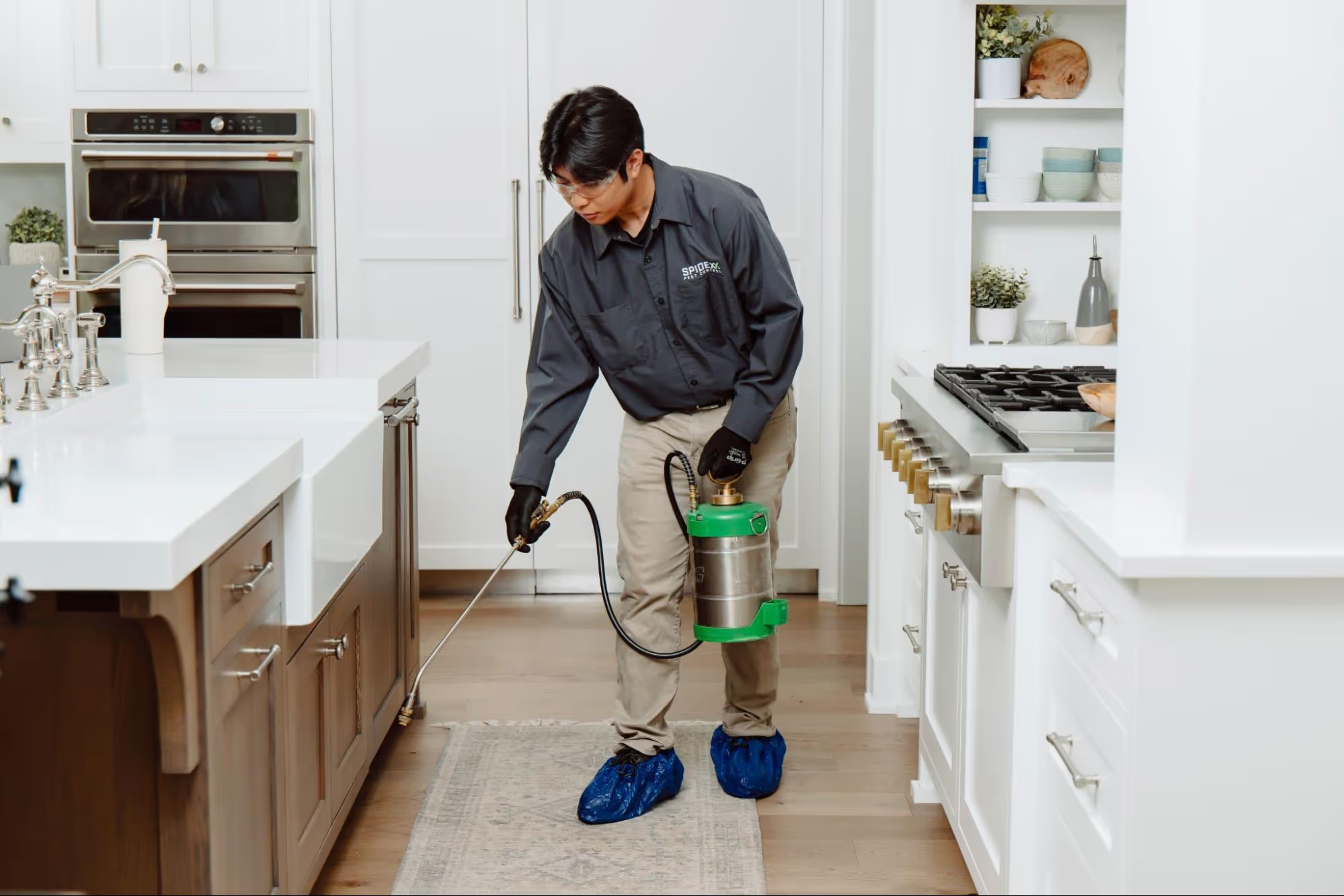
- Consider professional pest control. Different ant species require different approaches. A professional can help identify the problem and develop a treatment plan suited to your home.
These steps can help make your home less attractive to ants, but persistent activity may require more targeted treatment.
Don't Wait for Spring to Deal With Ants
Spring may be when ant problems become impossible to ignore, but you don't have to wait until then to do something about them.
If ants have already been showing up around your home this fall, that’s a good reason to take a closer look now. Addressing the issue before temperatures warm up again can help you get ahead of recurring activity instead of starting another season chasing ants around the house.
At Spidexx Pest Control, we believe protecting your home should be about preventing pest problems, not just reacting when they appear.
Our pest control professionals can help identify ant activity and recommend a treatment plan tailored to your home and local pest pressures.
Don't give ants a head start on next spring.
Contact Spidexx today to learn how professional pest control can help protect your home through fall, winter, and beyond.
Get an Estimate or call 844-922-7732 to talk to a pest expert.