Do Bed Bugs Go Away in Winter? 5 Things Homeowners Should Know

When temperatures drop and winter settles in, many pests become less active or disappear until warmer weather returns. But bed bugs are different.
Bed bugs don't hibernate in winter. If they find their way into your home, they can remain active throughout the colder months, hiding in mattresses, furniture, and other small spaces while waiting for their next meal.
Whether you're preparing for holiday travel, hosting overnight guests, or simply settling in for the season, understanding how bed bugs behave can help you recognize the signs and know when to take action.
Here are five things every homeowner should know about bed bugs this winter.
1. Bed Bugs Don't Hibernate When Temperatures Drop
Some pests become dormant or seek shelter outdoors when winter arrives. Bed bugs, however, can continue their normal activity inside temperature-controlled homes.
As long as they have access to suitable conditions and a blood meal, bed bugs can survive and reproduce indoors throughout the winter. Your warm home provides shelter from outdoor temperatures, allowing them to persist even when it's freezing outside.
What this means for you: Don't assume that colder weather will solve a bed bug problem. If you suspect activity in your home, addressing it promptly is a better approach than waiting for spring.
2. Bed Bugs Can Hide Far Beyond Your Mattress
Their name might suggest that bed bugs live exclusively in beds, but these pests can hide in many places throughout a home.
Common hiding spots include:
- Mattress seams, tags, and box springs
- Bed frames and headboards
- Upholstered chairs and sofas
- Cracks and crevices in furniture
- Gaps around baseboards and other structural features
Bed bugs are small and tend to stay tucked away in tight spaces when they're not feeding. An infestation can go unnoticed even when someone regularly cleans their bedroom.
What this means for you: If you suspect bed bugs, check more than just your sheets and mattress. A thorough inspection can help identify hiding places you might otherwise overlook.
3. Holiday Travel Can Give Bed Bugs a Ride Home
Winter often brings holiday trips, overnight stays, and visits with friends and family. Unfortunately, bed bugs are skilled hitchhikers that can travel from place to place in luggage, clothing, and other belongings.
They don't fly or jump. Instead, they rely on opportunities to move between locations and hide in items people carry.
To reduce the chance of bringing bed bugs home after traveling:
- Inspect hotel mattress seams and headboards for signs of activity.
- Keep luggage on a designated luggage rack rather than on beds or upholstered furniture.
- When you return home, inspect your luggage and belongings.
- Consider laundering travel clothing and using a dryer setting appropriate for the fabric.
Even with precautions, bed bugs can sometimes go unnoticed. Finding one doesn't mean your home is dirty or poorly maintained.
4. Bites Aren't the Only Sign of Bed Bugs
Bed bug bites can cause itchy welts, but reactions vary from person to person. Some people develop noticeable marks, while others may not react at all.
That's why it's important to look for physical evidence rather than relying on bites alone.
Watch for these potential signs:
- Reddish-brown spots: Small stains on sheets, mattresses, or nearby furniture.
- Shed skins: Pale, papery remains left behind as young bed bugs grow.
- Tiny eggs: Small, whitish eggs tucked into seams and cracks.
- Live bed bugs: Small, flat insects that are typically reddish-brown as adults.
A musty or sweet odor can sometimes occur with heavier infestations, but it's not a reliable way to confirm bed bugs.
If you notice any of these signs, avoid assuming that every unexplained bite is caused by bed bugs. A professional inspection can help determine what's actually happening.
5. Bed Bug Eggs Can Make Treatment More Complicated
Bed bugs progress through several life stages, from eggs to immature nymphs and adults. Because eggs may be hidden in protected locations, they can be difficult to find during a casual inspection.
Depending on the treatment method, some eggs may survive an initial application and hatch later. This is one reason effective bed bug management may require follow-up inspections or additional treatments.
Professional treatment begins with identifying the pest, assessing the extent of activity, and locating likely hiding places. Targeted applications and follow-up monitoring help determine whether additional action is needed.
What this means for you: If bed bugs are present, a quick DIY fix may not address every life stage or hiding place. A structured treatment plan can help you tackle the problem more thoroughly.
How Spidexx Helps With Bed Bug Problems
Bed bugs can be frustrating to deal with, especially when they're hiding in places that are difficult to inspect. The good news is that you don't have to figure it out alone.
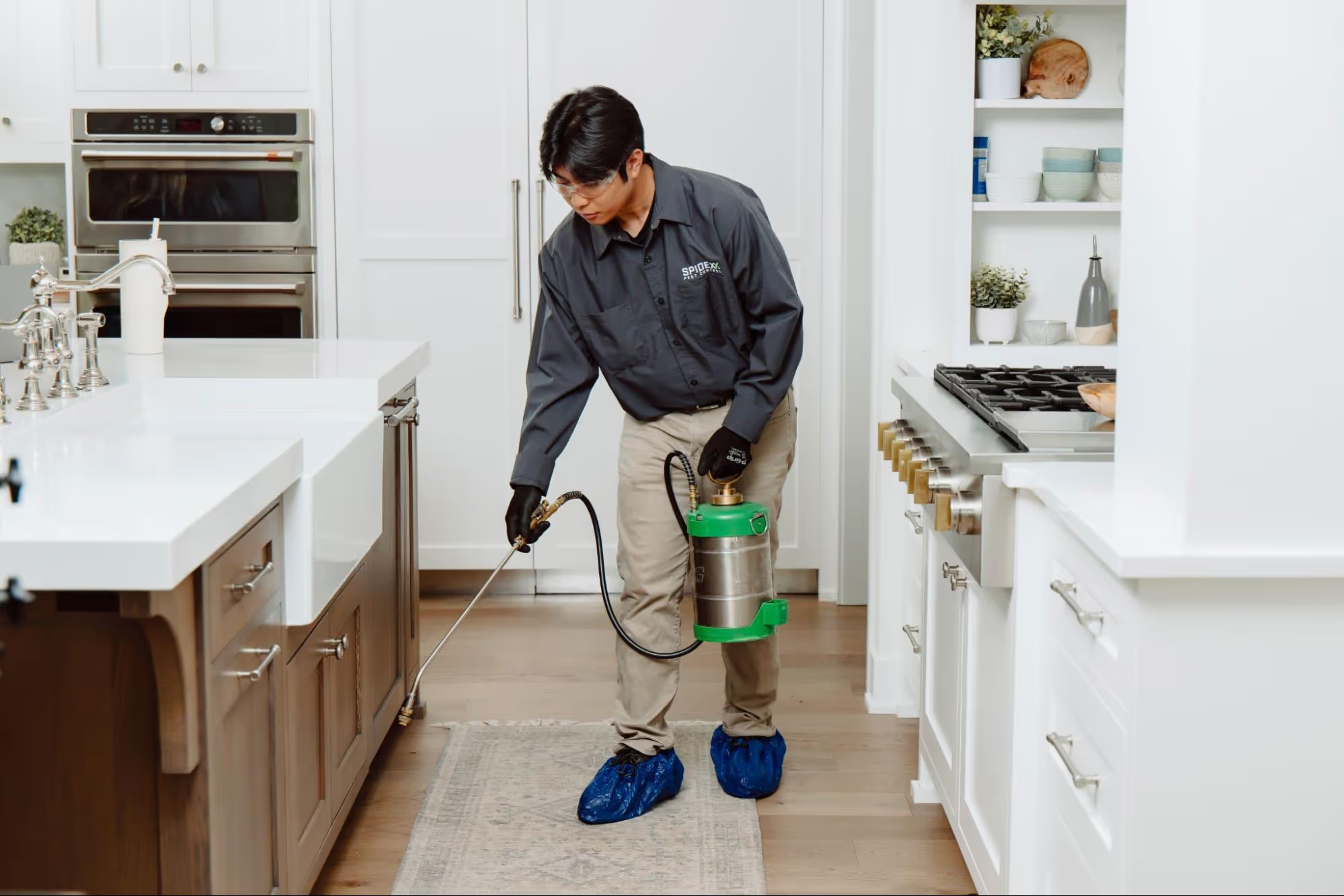
Spidexx provides professional bed bug inspections and targeted treatment plans designed around the activity found in your home.
Our process includes:
- Inspection and assessment: Licensed professionals evaluate signs of activity, identify likely hiding places, and assess the situation.
- Targeted treatment: Bed bug specialists apply EPA-registered products according to label directions and professional treatment protocols.
- Follow-up and monitoring: Additional inspections help assess treatment progress and determine whether further action is needed.
Our local service teams combine hometown service with professional resources to help homeowners address bed bug concerns.
Don't Wait for Spring to Address Bed Bugs
Bed bugs don't take the winter off. If they've made themselves at home, they can remain active indoors while you wait for warmer weather.
Whether you've recently traveled, noticed unexplained signs around your bed, or simply want answers about a possible infestation, early identification can help you understand your options.
Concerned about bed bugs in your home? Spidexx offers a courtesy bed bug inspection to help determine whether activity is present and what steps may be appropriate.
Schedule Your Courtesy Bed Bug Inspection
You can also call 844-922-7732 to speak with the Spidexx team.
A little knowledge can go a long way toward helping you enjoy a more comfortable home this winter.